
Commercial Services in Kingaroy
- Mine-Certified & Fully Licensed
- Full-Service Electrical
- Trusted in the Burnett Region
Request a Callback
Thank you for contacting Wards Group QLD.
We will be in touch soon.
Oops, there was an error sending your message.
Please try again later.

Commercial, Government & Concil Services
Running a business is hard enough without having to chase down unreliable trades or deal with constant electrical issues. That’s why local businesses across Kingaroy and the Burnett region count on Wards Group QLD for dependable, professional commercial services that keep operations running smoothly.
We understand the pressure that comes with downtime, safety compliance and fitting in with busy schedules – and we work around it. Our team handles everything from commercial fit-outs, catering equipment repairs, exit and emergency lighting and ongoing maintenance to specialised work for schools, council facilities and government buildings. With the capability to meet strict compliance, reporting and safety standards, we deliver reliable results with minimal disruption.
Need a commercial electrician who works to your timeline, not the other way around? Give us a call on (07) 4162 1458 and let’s talk about your requirements.
High-Performance Systems for Demanding Sites
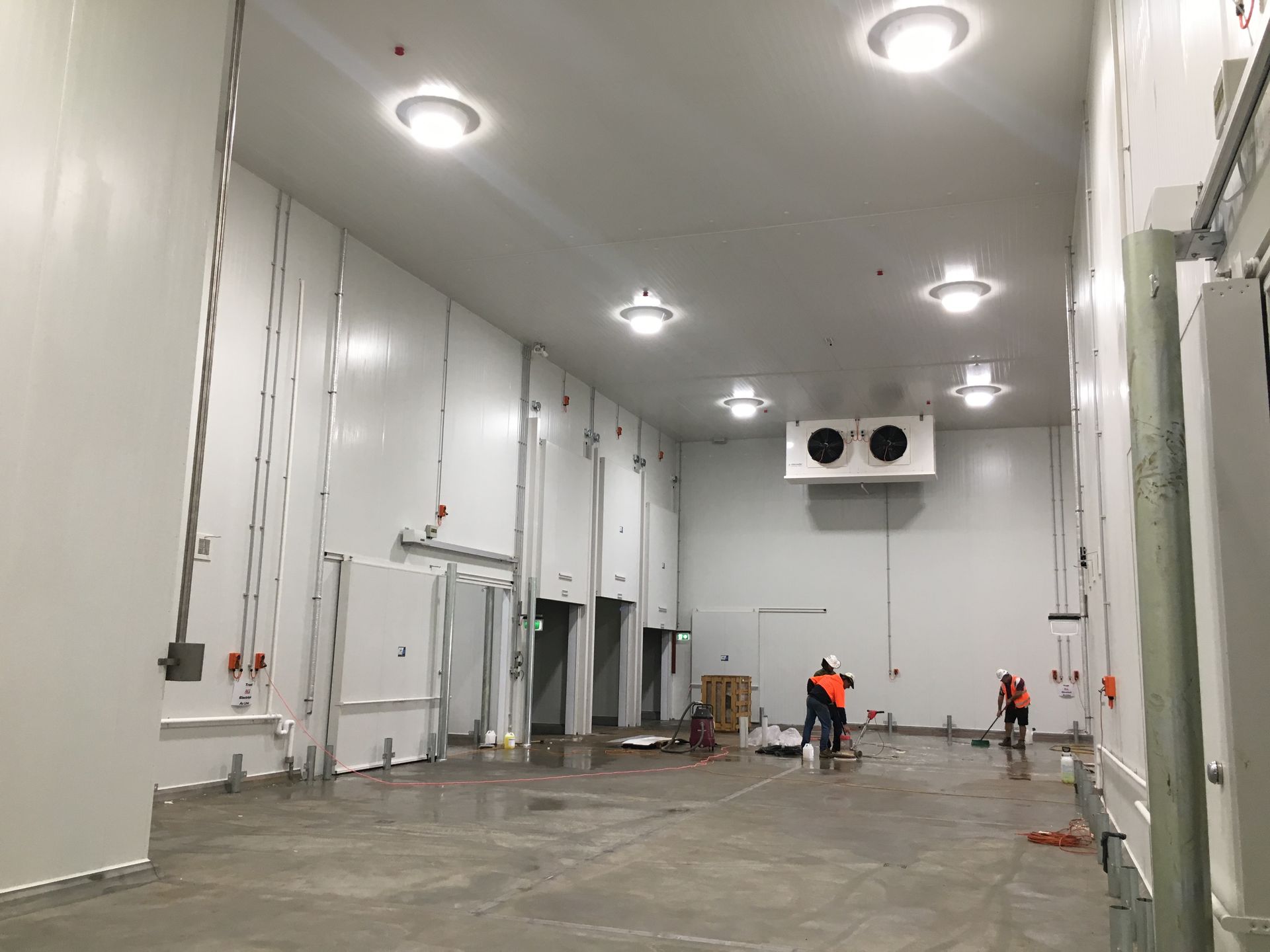
Every industrial site is different, but the need for safe, efficient and durable electrical systems never changes. Our industrial services are built for heavy-duty environments, covering underground locating, hydrovac work, generator maintenance, switchboard upgrades and motor control systems. With decades of experience, we help reduce downtime and keep operations on track.
We also support government, council and school facilities with compliant electrical services, including access control, electronic speed drives and safety checks for exit and emergency lighting. Whether it’s scheduled maintenance, shutdown support or urgent repairs, our team arrives prepared and stays until the job is done.
What sets us apart is our commitment to safety, clear communication and working to your schedule – giving you fewer interruptions and confidence that your site is in reliable hands.
Backup Generator Systems
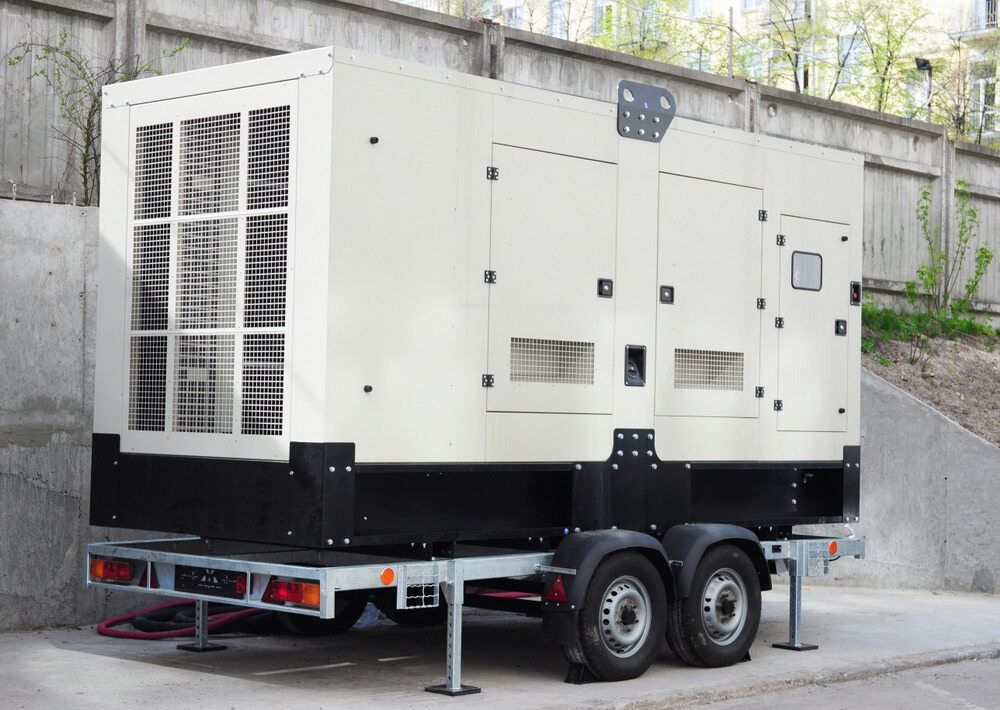
Power outages can disrupt homes, businesses and industrial operations when you least expect them. At Wards Group QLD, we install and maintain reliable backup generator systems designed to keep essential equipment and operations running during outages. Whether you need backup power for a workshop, commercial site, rural property or industrial facility, we can help deliver a tailored solution suited to your power requirements.
Our team handles generator installations, upgrades, testing and maintenance for residential, commercial and industrial applications. From portable units through to fully integrated standby generators with automatic switchover systems, we provide practical backup power solutions designed around your site and usage needs. Contact Wards Group QLD to discuss a backup generator system for your property.
Frequently Asked Questions
What does an industrial electrician do?
An industrial electrician installs, maintains, and repairs electrical systems and equipment in industrial environments such as factories, mining operations, and processing plants. Their work involves high-voltage systems, three-phase power, motor controls, automated machinery, and advanced safety systems.
They also perform diagnostics on electrical faults, manage scheduled maintenance to reduce downtime, and ensure all electrical work complies with strict safety and regulatory standards. Because of the high-risk nature of industrial sites, these electricians often require specialised certifications and experience in working under hazardous conditions or alongside heavy equipment.
What is considered commercial electrical work?
Commercial electrical work involves the installation, maintenance and repair of electrical systems in non-residential buildings such as offices, retail stores, restaurants, warehouses, schools and medical centres. This type of work often requires more complex planning and higher load handling than residential jobs.
It may include services such as power distribution, emergency lighting, three-phase installations and safety compliance testing. Commercial electricians must also ensure that all systems meet current codes and standards, especially in workplaces with high public traffic or industry-specific regulations.
What is the difference between commercial and industrial electricians?
Commercial electricians work in settings like offices, shops, and schools, focusing on lighting, power distribution, and general building systems. Industrial electricians, on the other hand, operate in more demanding environments such as manufacturing plants, mines, and large-scale processing facilities.
Their work includes dealing with complex machinery, high-voltage power systems, programmable logic controllers (PLCs), and industrial automation. Industrial work often involves more rigorous safety standards and troubleshooting under production deadlines, requiring electricians to have specific skills and certifications tailored to those environments.


